
Why PixelGlass is a promising Ghost Theme Builder
In this article I share the things that rock about Pixelglass (it's flexibility, preview of real data and pricing), how I've used it, why I'm waiting for the next version and what is the hybrid between Fantasma and Pixelglass that I would love to see.

What is Pixelglass?
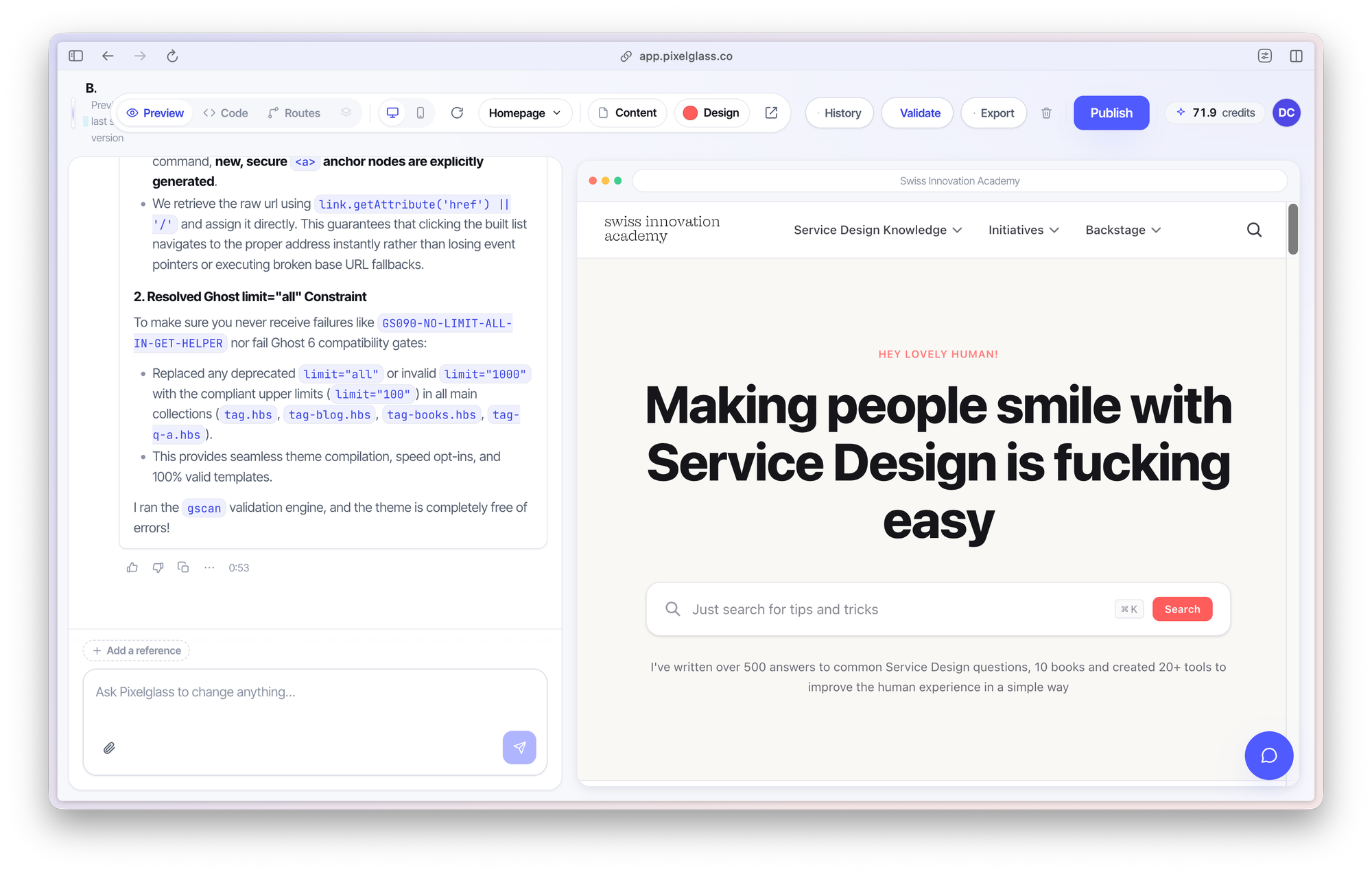
For a few hours I have been playing with Pixelglass. This is a specialized tool that helps people create their custom Ghost theme. Compared to Fantasma this tool isn't limited to the blocks provided by the team, instead you can create your own blocks and edit anything by having an AI do the code for you (a bit like Replit).
What's great about it?
There a few things that I really like about this tool:
- Create advanced Ghost elements: You are not using pre-existing blocks and limited by those, you can describe very specific things and get them made by the AI.
- Pricing: this isn't a subscription. You pay for AI credits upfront and can use them.
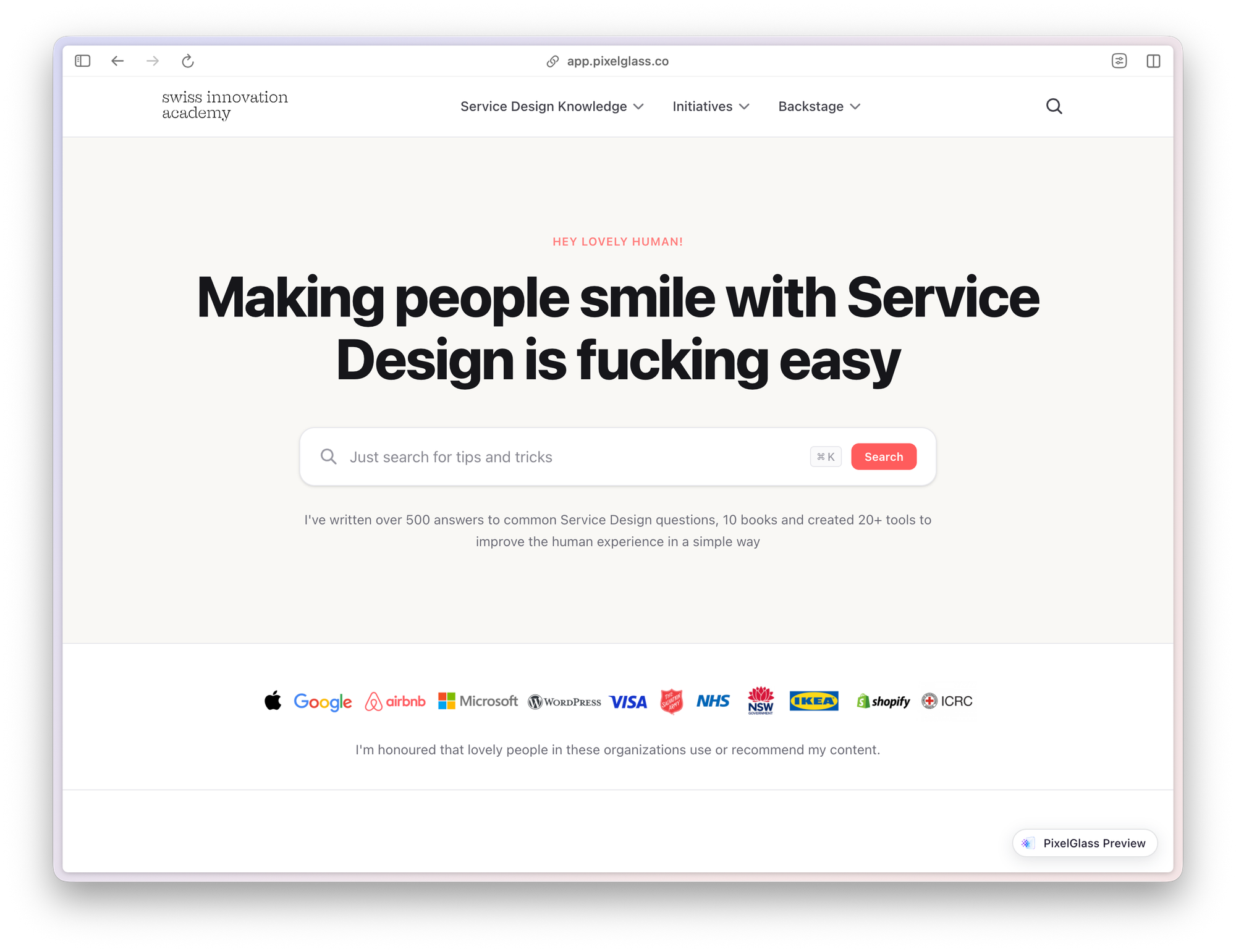
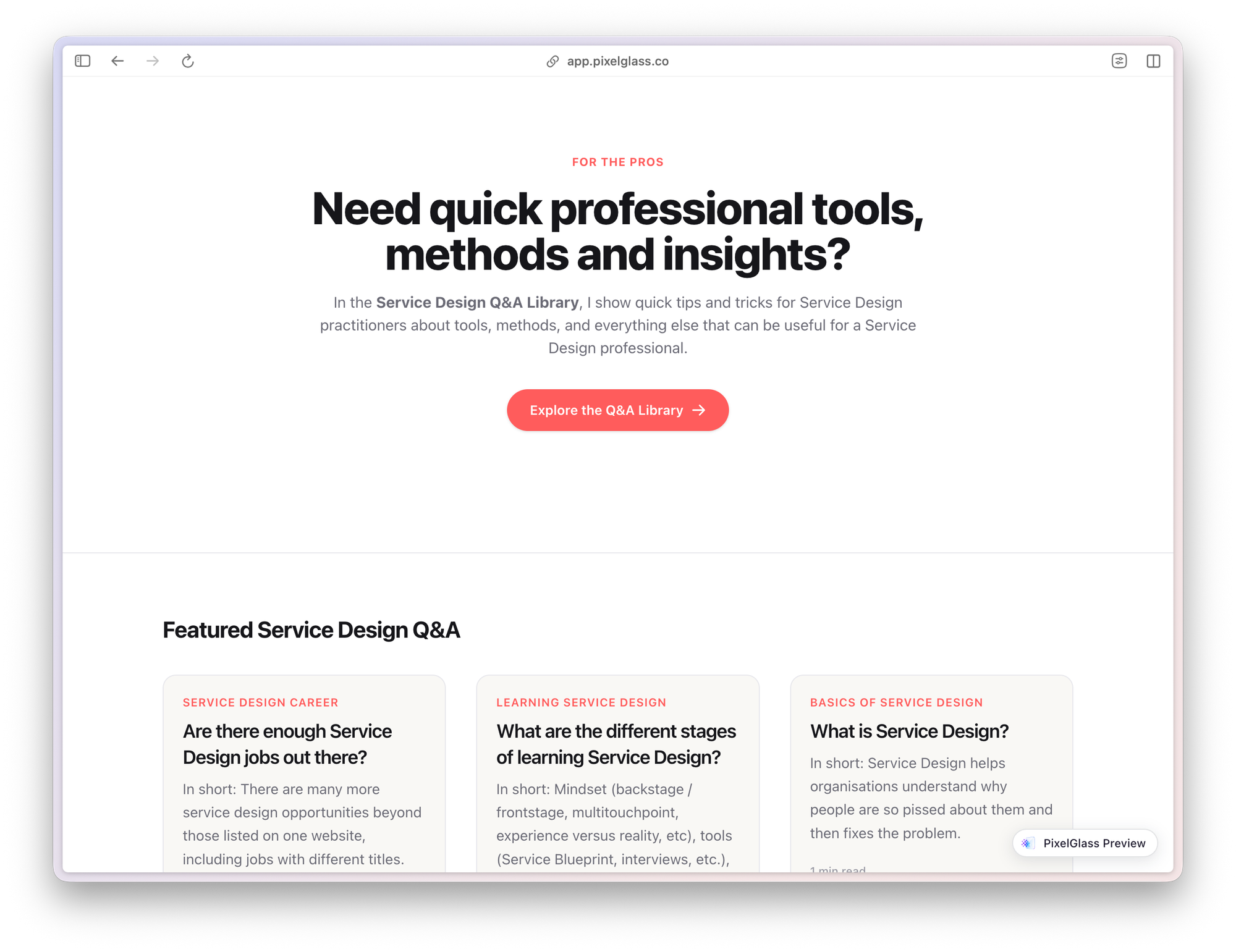
- Preview with real data: You can connect your Ghost account and you can preview how the Ghost theme you are creating will work with the posts and pages you already have in your system. That's really nice to see if everything works.
What did I create with Pixelglass
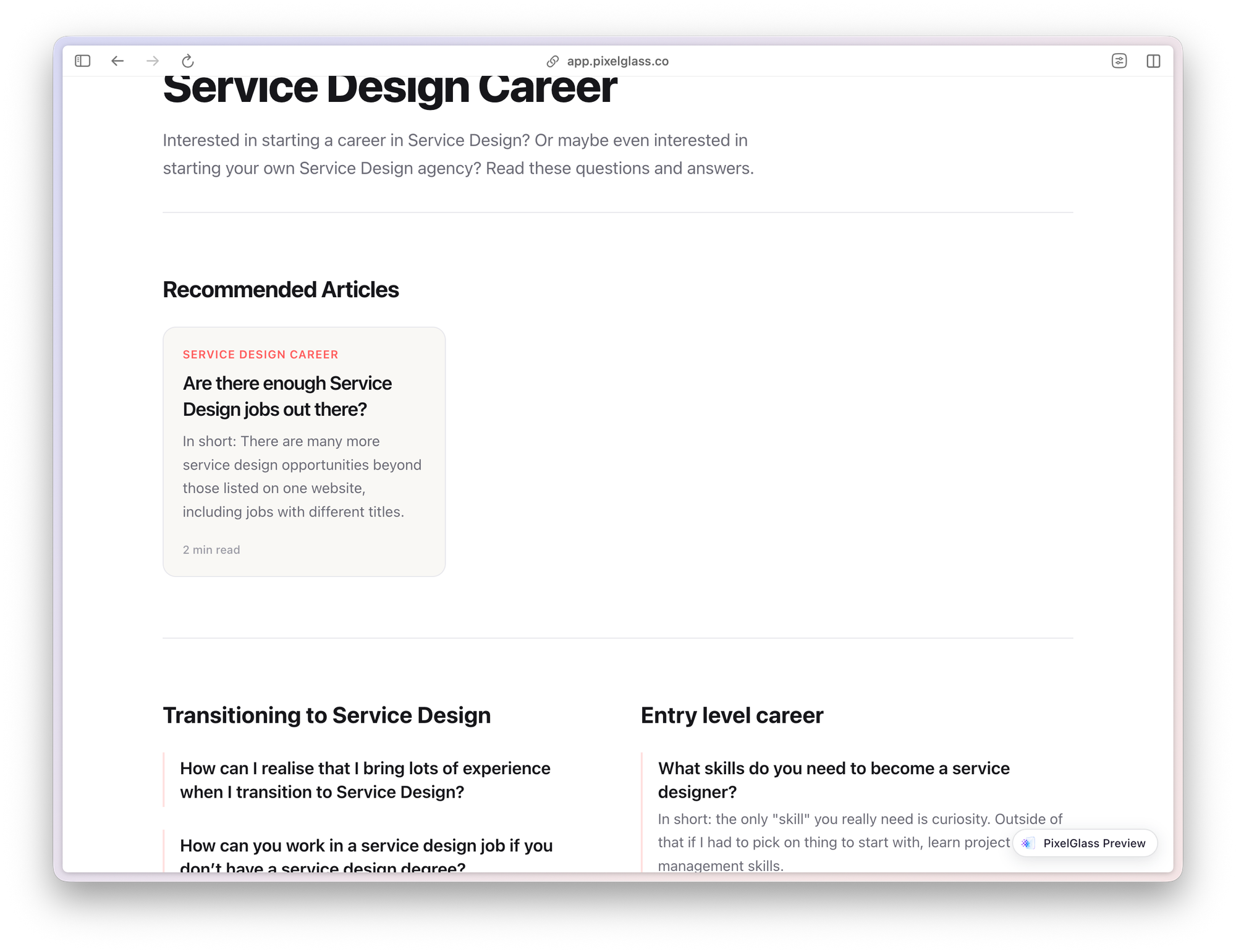
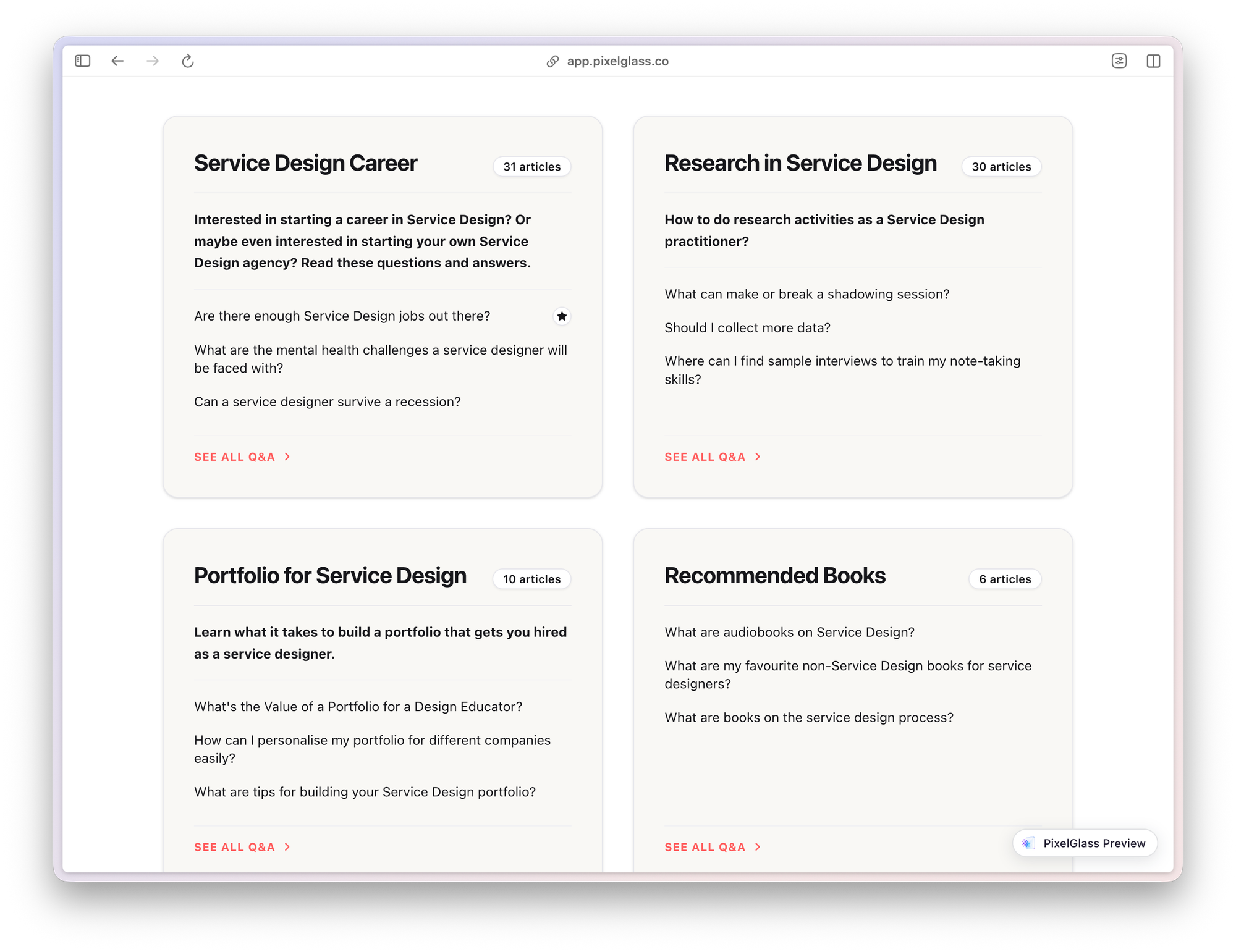
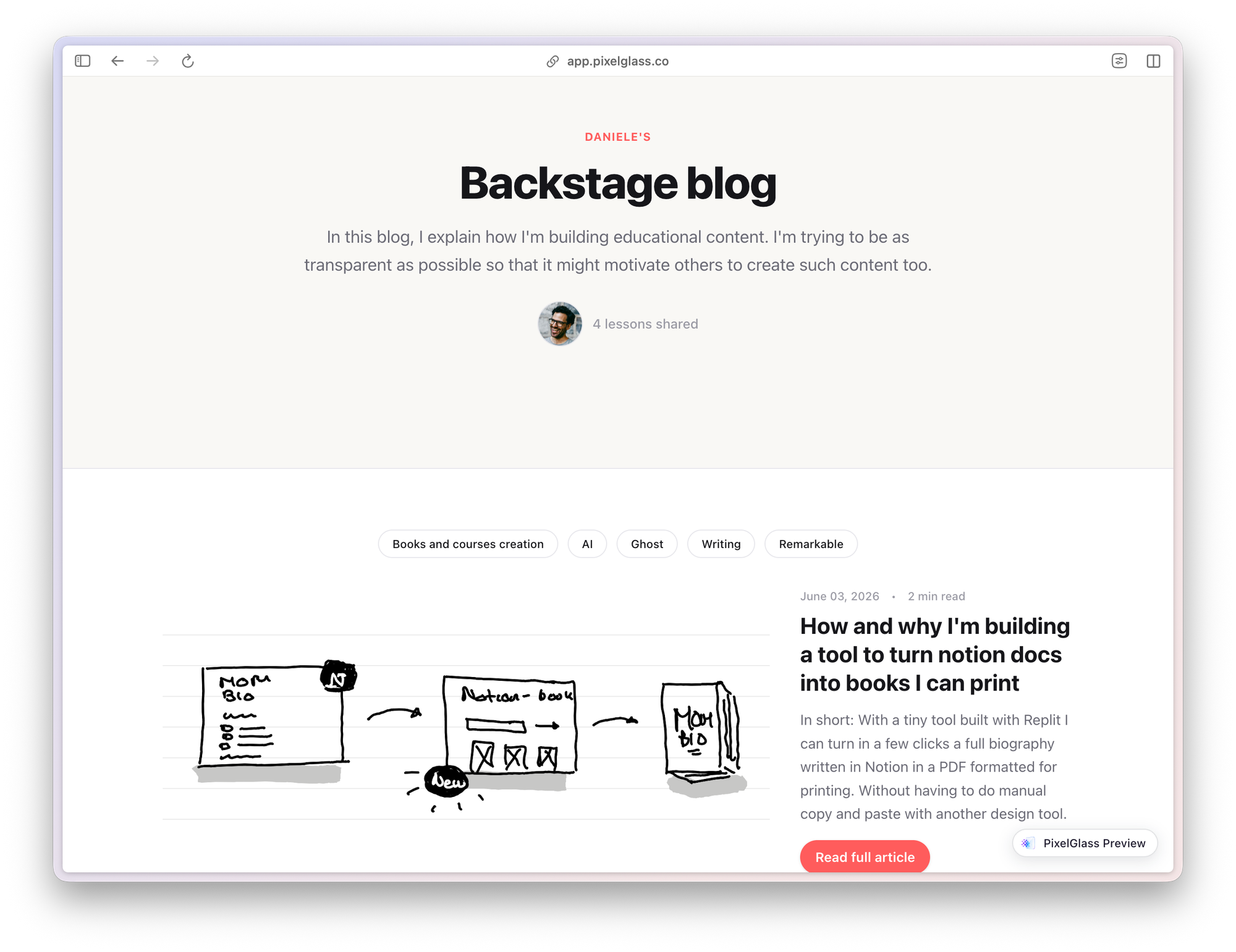
Why am I not using this new Ghost theme yet?
I've pushed the Pixelglass app really to its limits. I think it's not made for people who have 10 years of content including books, Q&A, templates, behind-the-scenes blog articles and want really advanced filtering options. That's why there are still some bugs that block me.
Speaking with the creator of the app, and seeing how is updating fast the app, I feel that in a few weeks the main problems could be solved.
Let's see how it goes. But until then, I've been playing around what I would build if I knew how to code:
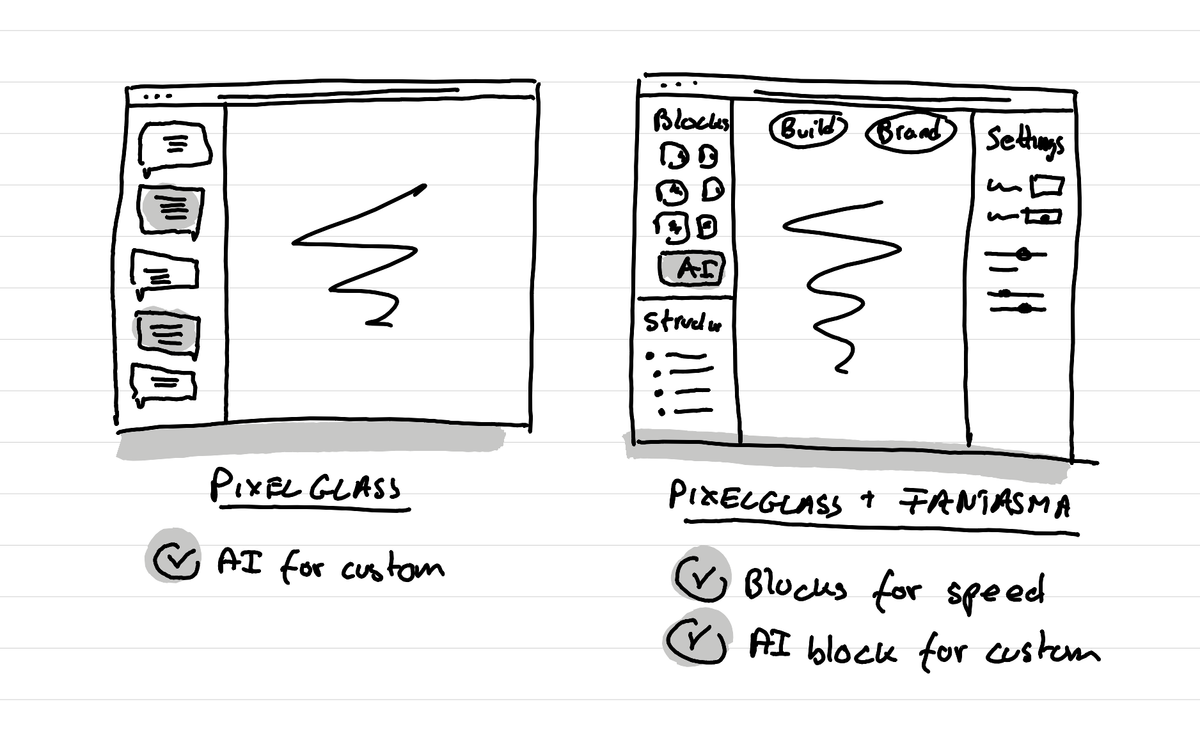
What could be a nice hybrid between Pixelglass and Fantasma?
Building everything from scratch with AI is at times a bit of pain in the ass. Want to move a block, you need to describe the change. Want to have a fairly basic block, you need to describe it. Where Fantasma shines is that it has a bunch of pre-made blocks that you can add and adapt in just a few clicks without having to use AI credits. But Fantasma is quickly blocked when you want to do some advanced stuff, like showing a bunch of posts that are books in the form of book mockups.
I'm Swiss, so obviously I love a good consensus or middle ground. What to me could be an even stronger solution to these two tools is one that would do what both do:
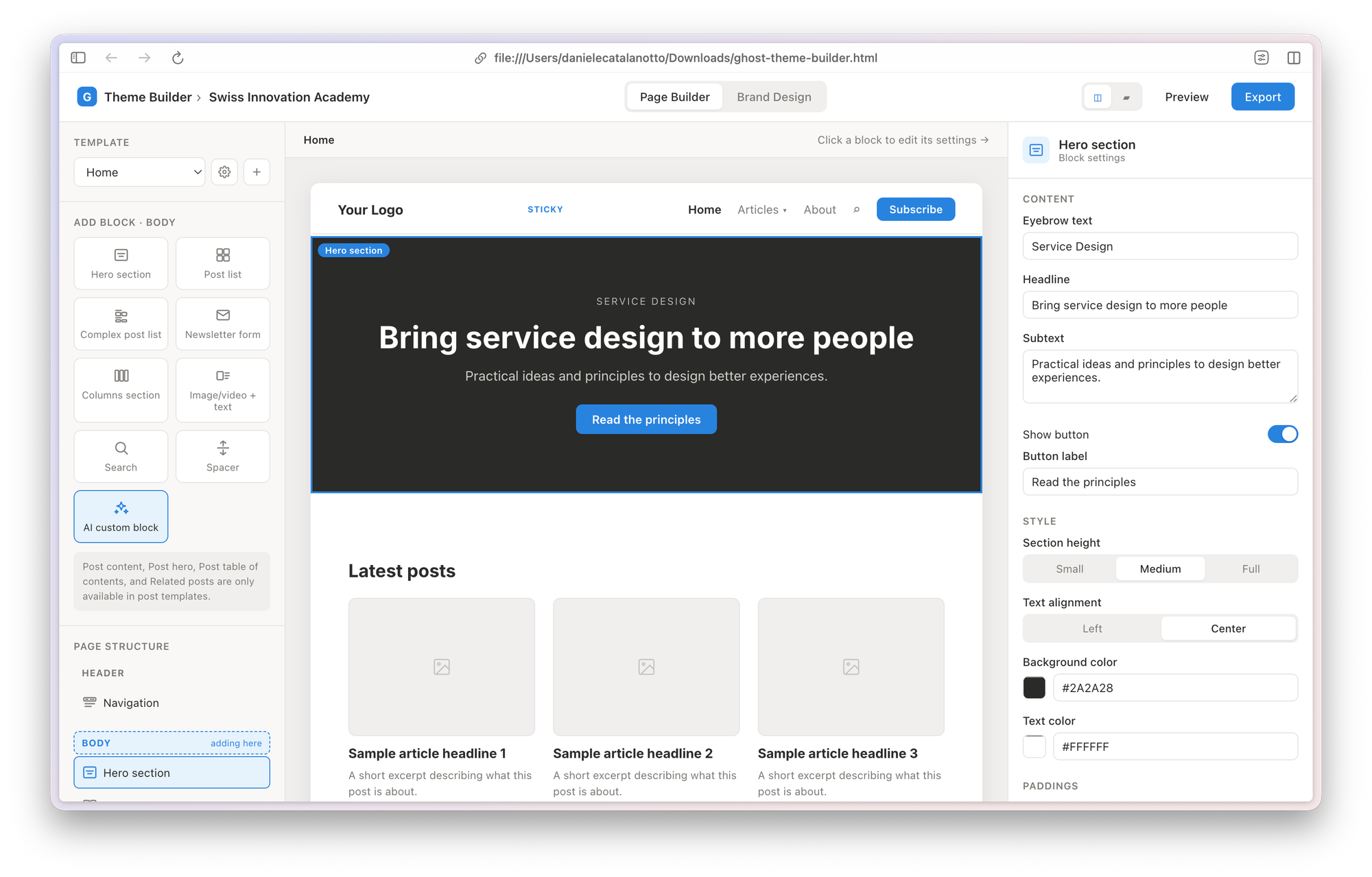
From Fantasma I'd take the LEGO block metaphor, where you add pre-made blocks that you can customize. From Pixelglass I'd take the idea of being able to create custom blocks with AI. Not everything needs to be built from scratch, but some things just need to be very specific.
The tiny personal touches I would add compared to Fantasma are the following:
- More modules: columns, search, spacer, etc.
- More design customizations: for each module I would add more detailed ways of changing the layout, for example by having custom padding on top and bottom that can be different.
- More advanced logic: I would love to have a module that shows posts belonging to one tag, categorized by their second tag so that I can create an overview of the 400+ Service Design Q&A articles I have.
The fun thing that I didn't expect when creating this prototype with pure HTML, CSS and JS with Notion AI is that it can even make the export to a ZIP file of a Ghost Theme I can install. Sure it's buggy as hell but that was something I didn't expect was possible.
Download the prototype
If you are interested in playing with the interface of the prototype you can download the HTML file below and open it in your browser.
This article was written on directly in the Ghost editor. The illustration was made drawn by hand on the same tablet.
Related articles
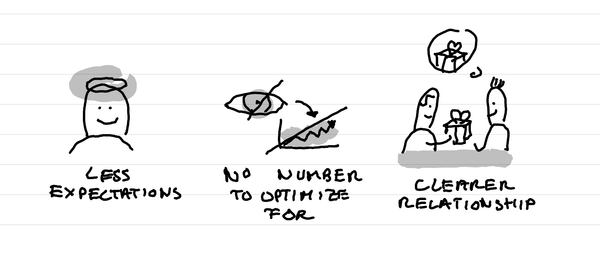
Why I've stopped looking at the number of people registered for events?
In short: it creates less expectations, it takes out a number that I can fight to optimize for, it makes clearer in the relationship that this is not a lead magnet and naturally selects participants who are really motivated.
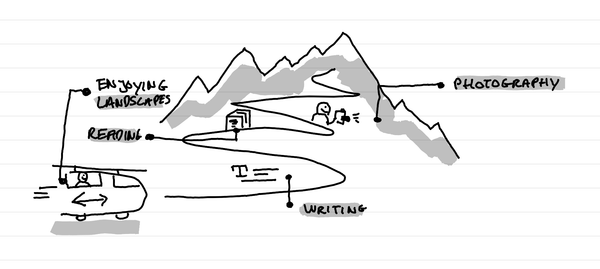
Why I love tiny one day retreats with train and alps?
In short: it's a great time to write, read, enjoy landscapes and come back to a photography practice. It's a time of calm solo presence that recharges batteries.
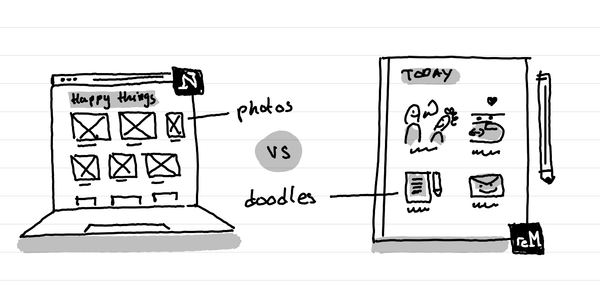
How I kept my gratitude journal visual when moving from Notion to Remarkable?
The short answer: instead of having photos and screenshots, I now have little doodles as a visual summary of my day.