
Why Do I Recommend Multi-Day Trainings in a Hotel?
In short: It offers better time flexibility for meals, builds stronger relationships, feels like a vacation with hospitality experts and well-equipped spaces.

Time Flexibility
When learners commit to a multi-day training in a hotel, they’re fully present. They spend the day and night there, meaning no evening work or meetings. This allows for flexible schedules. If the training runs an hour longer, no one needs to rush for a train or meeting. It also opens up the possibility for bonus activities in the evenings.
Building Relationships
Staying overnight with participants creates magic. During meals and downtime, deeper connections form between everyone. These off-moments reveal what’s understood and how people feel about the training. Participants often share their stories in the evenings, which can become case studies or role-play scenarios the next day. This wouldn’t happen if everyone went home at night.
A Vacation Feel
Hotels are usually associated with vacations, making people relaxed just by being there. Unlike training at work where there a dozens of distractions—like running into colleagues or getting reminders of tasks—a hotel setting eliminates these interruptions. You only meet strangers who won’t add to your mental load.
Hospitality Experts
Hotels excel at hospitality. As a facilitator, you don’t need to work hard to make people comfortable; hotel staff takes care of that.
Well-Equipped Spaces
Most hotels have excellent facilities—good conference rooms, lobby spaces for small group discussions, and private rooms for solo time if needed. They offer varied spaces that traditional workshop venues might lack and you can use all these spaces to change the training atmosphere.
This article is based on an audio recording I did while walking that was transcribed and cleaned using Audiopen. I then reviewed and improved the text by hand.
Related articles
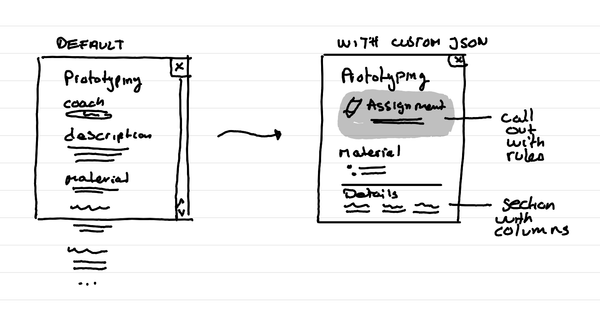
How to format Microsoft Lists for a course schedule so that it doesn't suck?
In short: with custom JSON code, that you can ask an LLM to help you write, you can adapt how the details of a session in your course look like.
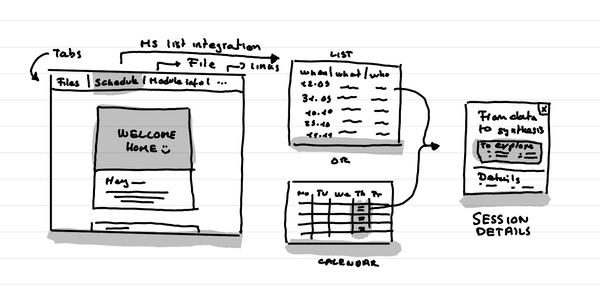
How to create a small course hub in a teams channel
In short: Use tabs to link to key documents, and resources. Use Microsoft List as an integration to put the schedule that shows as a list or a calendar.
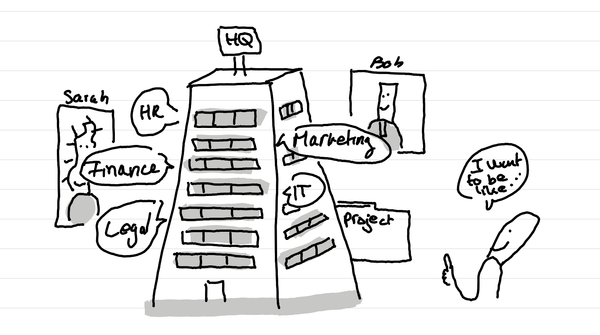
Why do I love big organization HQ tours in Service Design education?
In short: access many nerds in one go who are in the thick of it with different professional postures. And it can lead to projects for learners.