Research in Service Design
Should I use family and friends in my prototyping testing sessions?
In short: Use your family and friends to recommend other people you can talk to.
1 min read

Migration in progress: The content from the old website will be transfered here in the next months. Migration information
Hey lovely human! This will be the new home for the Swiss Innovation Academy in a few months.
In short: Use your family and friends to recommend other people you can talk to.
In short: Feedback from co-workers should be free. If it will directly improve something people use, feedback can be free. If it has a more indirect impacted on the person who shares the feedback it should be paid.
In short: exclude participants, ddd an open-ended question to filter out low-quality participants, provide a catchall alternate option and don't ask questions that are already in the recruiting data of your recruiter system
Most of the time I don't have to think about how much I need to pay research participants because most of my projects are: * Either internal, which means that research participants are the employees of the organisation and therefore they participate during work hours for which they are
In short: Use Google My Maps with different layers for each category and change the map style. Write a synthesis of what you've learned.
In short: do online searches, walk outside and ask people then bring it all on a custom Google Map.
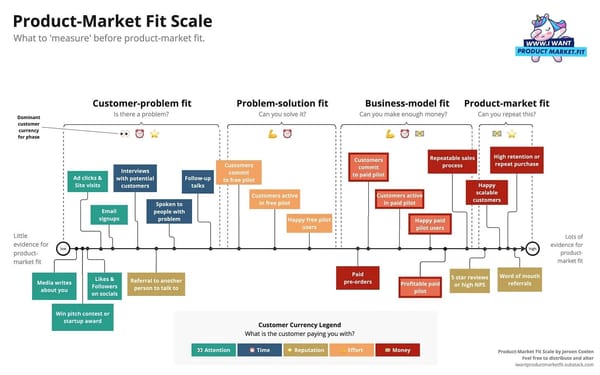
Product market fit, or Service Market fit (yes I'm a Service Design nerd) is when your idea not only is great and working, but that it has found the people it serves, and that these people are using it repeatedly and pay for it. There is a fit
Yes a lot looks the same. The academic rigor and the terms used might change a bit.
In summary There are three types of prototypes I use a lot when it comes to testing new service ideas: * Storyboard: a tool to summarize how a service can feel to the end user, including three key moments. * Landing page: a way to prototype and test an idea by making