
Why one prototype isn't enough for learning a lot?
In short: creating multiple prototypes forces you to think outside of your own box you created, helps people who test them imagine there could be even more solutions, it makes people compare, be more critical and tell you how they would remix the prototypes to create their dream solution.

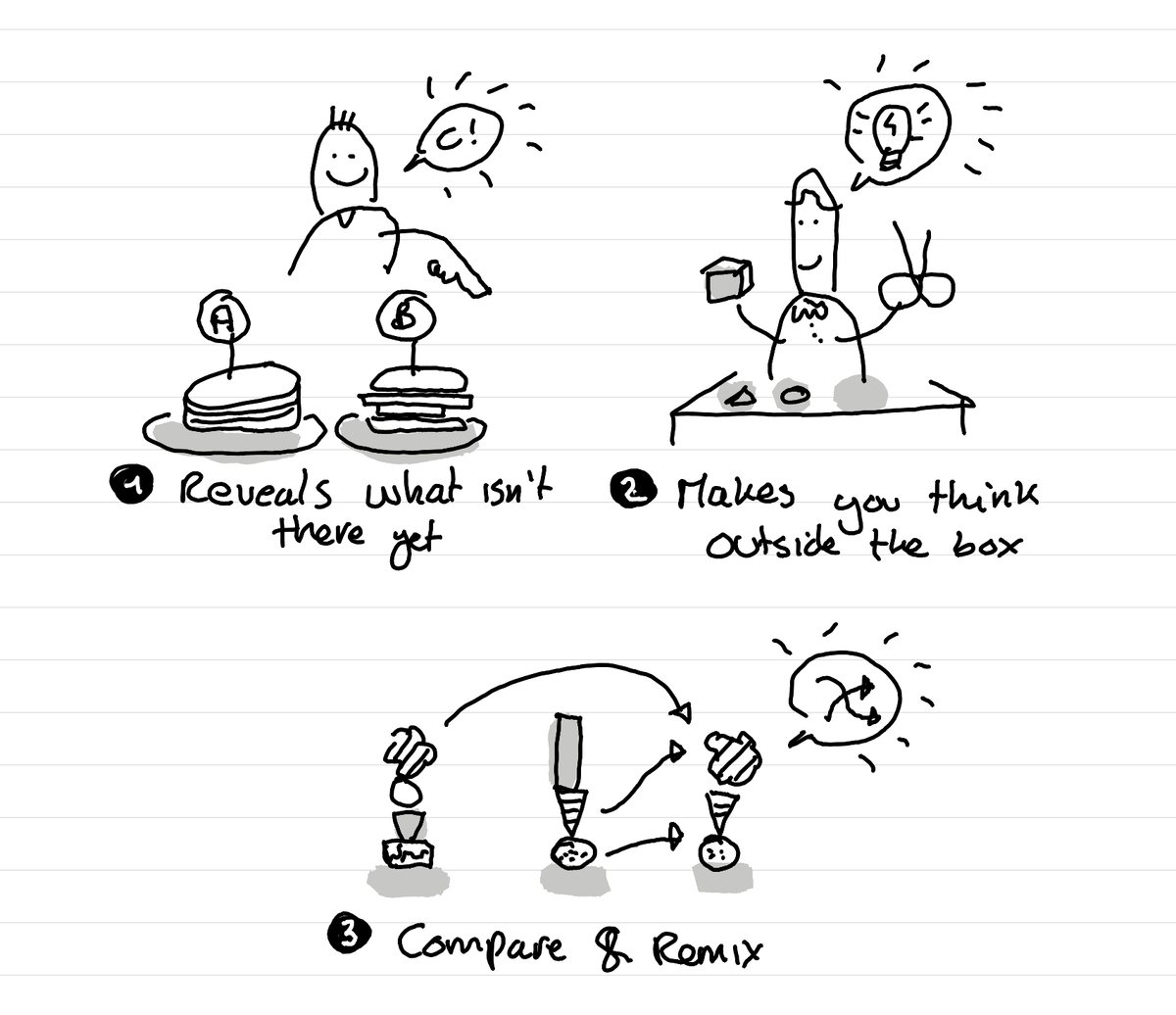
Testing one prototype or idea teaches you stuff only about that particular idea, service or product. But when you present several very different approaches to the same idea, service or product you learn way more.
There are a few reasons that make this work:
It makes people see there could be more options
When people are confronted to several things, it's clearer to them that there could be even more options out there. So they tend to not only share feedback on what you show but also on what you didn't show but that they imagine would be useful.
It forces you to open your world of possibilities
When you need to create several prototypes for testing, you suddenly realize that something that always felt as the logical right way to do something can in fact be done in many different ways, and some of these might be cheaper, faster, more meaningful, more impactful.
It forces comparison
Suddenly people who test your prototype, idea, service or product get more critical as there the comparison is more easy, And through the comparison, they often end up offering you an idea of a remix, mashup or birchermuesli of ideas and elements that come from several prototypes that they would put together to create their dream solution, service or product.
But what if I don't have time to create multiple prototypes?
First, if you don't have time, maybe it's a sign that you spend too much time on your prototypes and that you could make them simpler, faster.
But if you really think that you are on a time crunch, then you could compare your prototype with existing products, services and ideas.
This article was written on a refurbished Remarkable II tablet with a type folio cover. The illustration was made drawn by hand on the same tablet.
Related articles
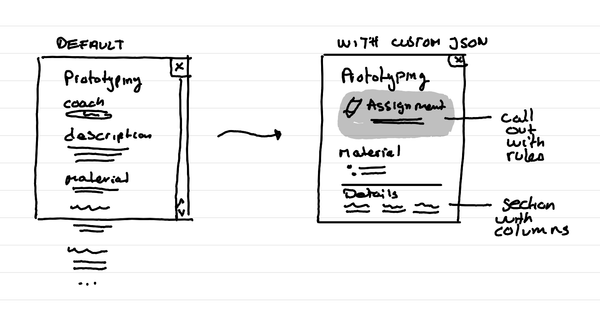
How to format Microsoft Lists for a course schedule so that it doesn't suck?
In short: with custom JSON code, that you can ask an LLM to help you write, you can adapt how the details of a session in your course look like.
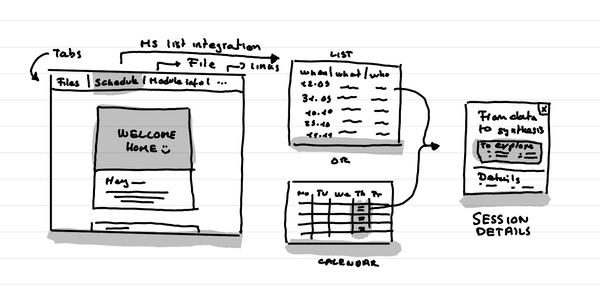
How to create a small course hub in a teams channel
In short: Use tabs to link to key documents, and resources. Use Microsoft List as an integration to put the schedule that shows as a list or a calendar.
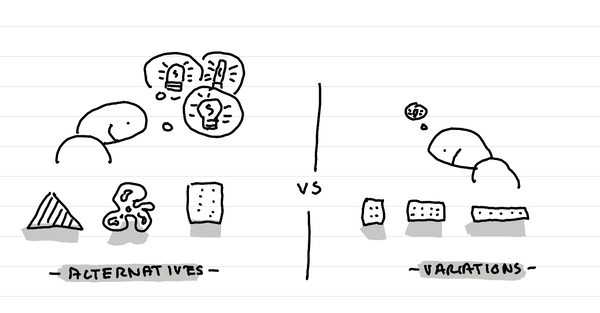
Why I go for alternatives instead of variations when making and testing protoypes
In short: alternatives that are opposing make you learn more than small tweaks.