Why I go for alternatives instead of variations when making and testing protoypes
In short: alternatives that are opposing make you learn more than small tweaks.
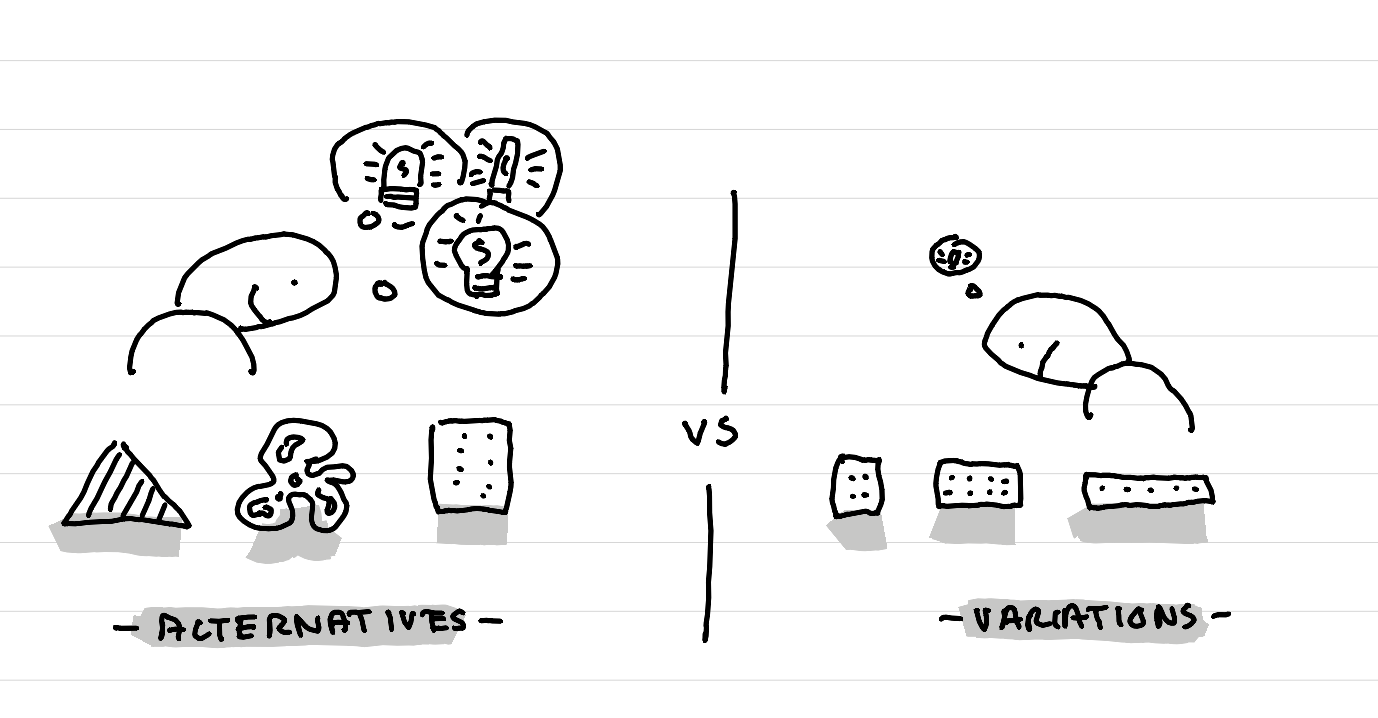
When I create prototypes of service ideas, strategies or even just workshop structures + don't create alternatives that have small tweaks. Instead I create very different, opposing alternatives.
This gives me way more learning opportunities, especially in the moments where I'm not yet sure what's the right plan or when want to be surprised.
Later in the process, when I know that one direction is stronger I then play with variations and small tweaks.
A magic thing about creating alternatives, Is that you don't have to make them yourself. You can steal them.
What other nerds say
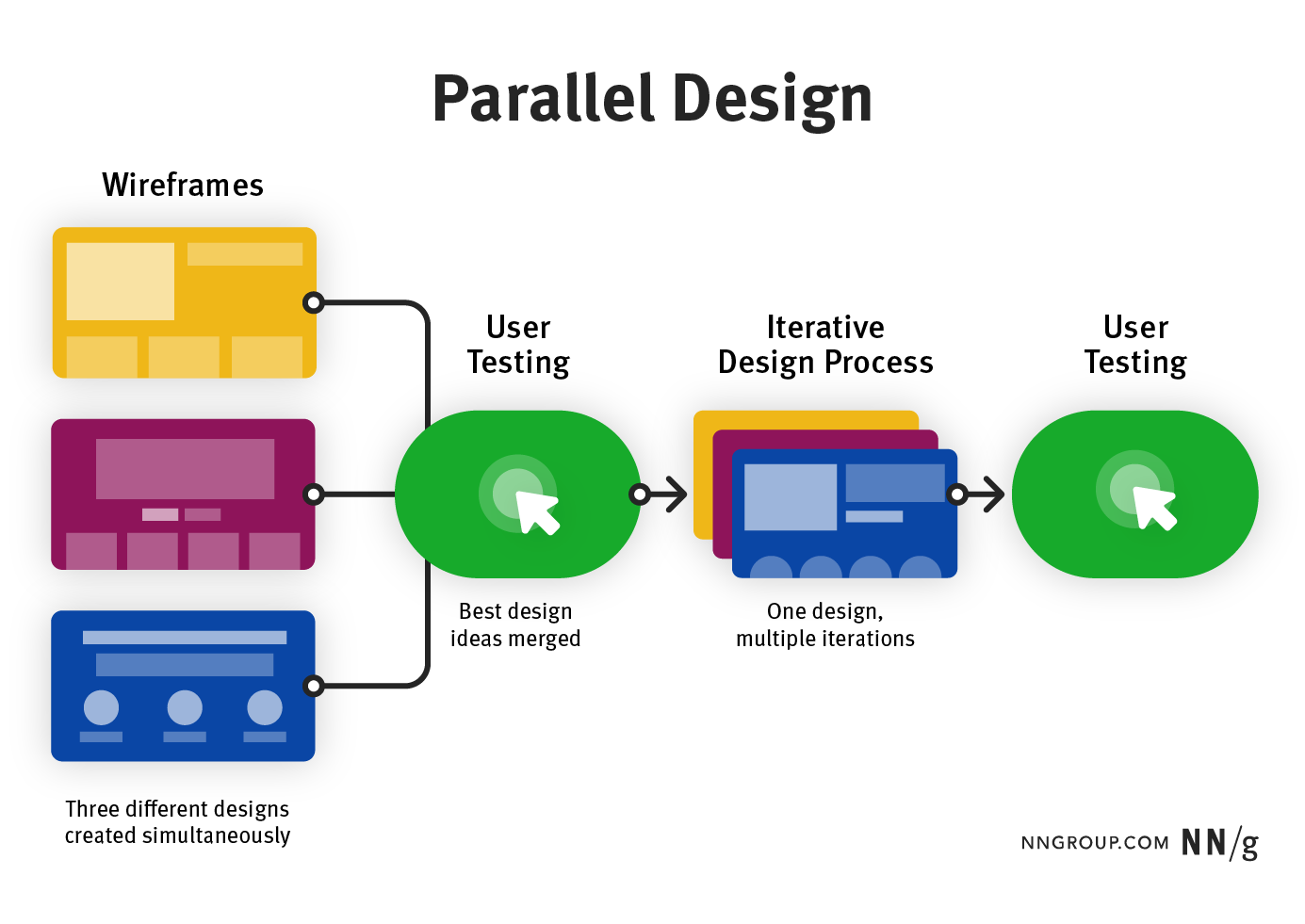
Therese Fessenden from the Nielsen Norman Group has a nice complete article about the value of this approach which she calls in her article "Parallel Design". Here's a visual that summarizes that approach well:
This article was written and illustrated by hand on a refurbished Remarkable II tablet. The handwritten text was converted to typed text with the Connect Service by Remarkable. If you are curious you can download the original note below.
Related articles
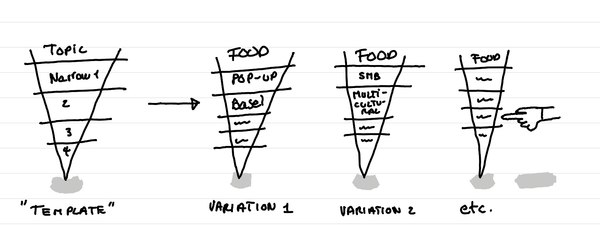
How to use a thesis topic funnel to find the right flight level for your thesis?
In short: make different empty sketches of a funnel with a large top that then becomes a triangle with the narrow part down and divided in sections. At the topic comes your topic idea. Then add elements that make it more specific.
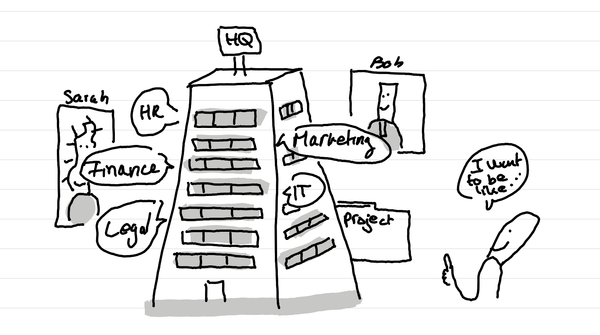
Why do I love big organization HQ tours in Service Design education?
In short: access many nerds in one go who are in the thick of it with different professional postures. And it can lead to projects for learners.
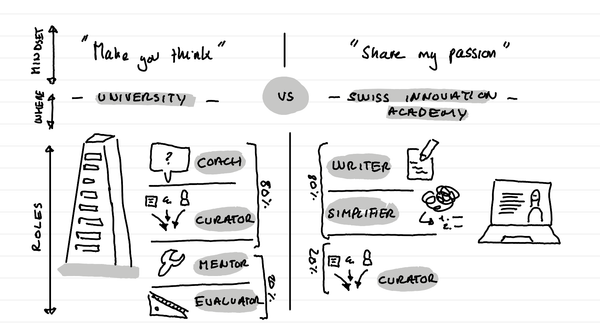
How do I see my role as a Service Design educator?
In short: my role is different in a university context versus in what I do on the Swiss innovation Academy. In a university I'm a coach. On this website I'm an author who shares his passion and simplifies it for the masses.