Why do I share my physical sensations in difficult workshop settings?
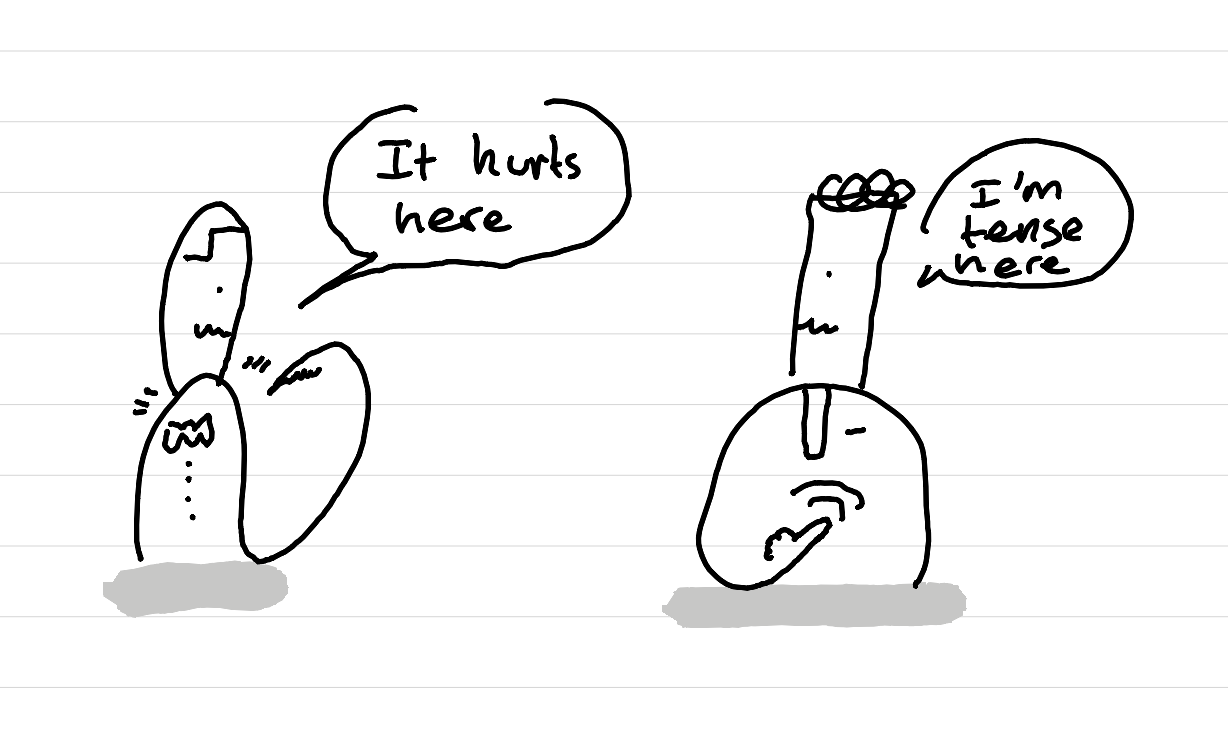
In short: I might say: "Oh I feel a tension in my shoulders right here. How is it for you?" when things get intense. This then shows by example that people can open up about how they personally feel, and help them share emotions they haven't fully processed yet by talking about physical sensations.
A lot of the work in facilitation of a workshop is about creating psychological safety. Making people comfortable to share what they disagree with, their anger, etc, without the fear of being judged.
Sometimes when things get though or tense in a workshop, I try to make this happen by sharing my own physical sensations. I might say something like:
"Oh I feel a tension in my shoulders right here. How is it for you?"
Often that then helps people to open up and share their own emotional state. Instead of me saying that I see a problem in the group dynamic I talk about my own reality, then people feel free to share their own reality.
There are a few things I like about this approach:
- It makes the observation on myself and not the other
- It keeps very open how people might react
- It shows the example that now is the time to share how you feel
- It gives a language to share the difficult things by naming a physical sensation instead of an emotion that might not be processed yet
Related articles
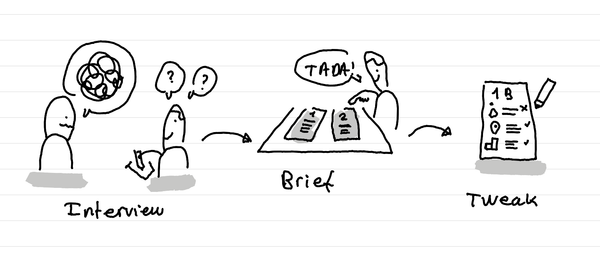
Why you should ask a peer to give you back your thesis idea as a brief
In short: ask a friend, a peer or an AI tool to listen to you while you tell everything you know about the topic you want to explore in your master thesis and ask that friend or tool to give it back to you as one or several clear briefs.
What is a great way to involve the community?
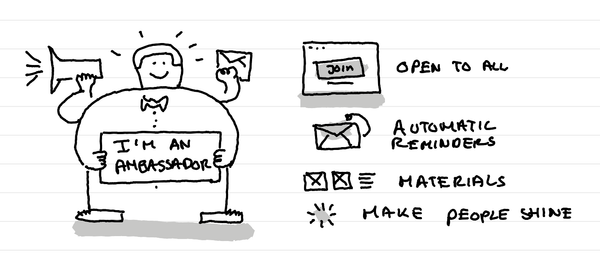
In short: make people ambassadors, give them material to share, and send reminders to do so.
How to format Microsoft Lists for a course schedule so that it doesn't suck?
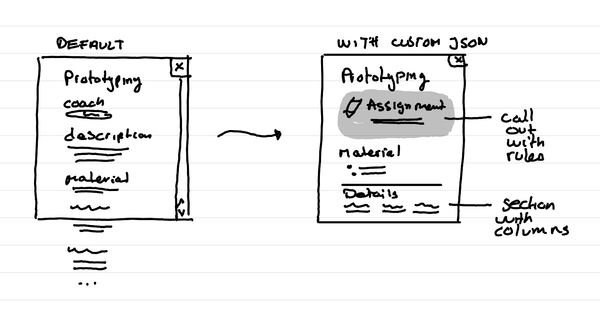
In short: with custom JSON code, that you can ask an LLM to help you write, you can adapt how the details of a session in your course look like.