
How to tackle the impostor syndrome as a Service Design professional?

My answer in video
Summary of the video
- The imposter syndrome can be tackled by collecting stories of change and testimonials from people who have benefited from your work
- Keeping a folder of these messages can help remind you that your work has value
- Going over these messages regularly and starting the day on a positive note can also help combat imposter syndrome
- Imposter syndrome can be a blessing because it keeps you motivated to change and learn
How I use Notion to help combat my impostor syndrome
I still have an impostor syndrome, but I've found ways of reducing it at least a bit. I do so by recording these elements in a sort of journal:
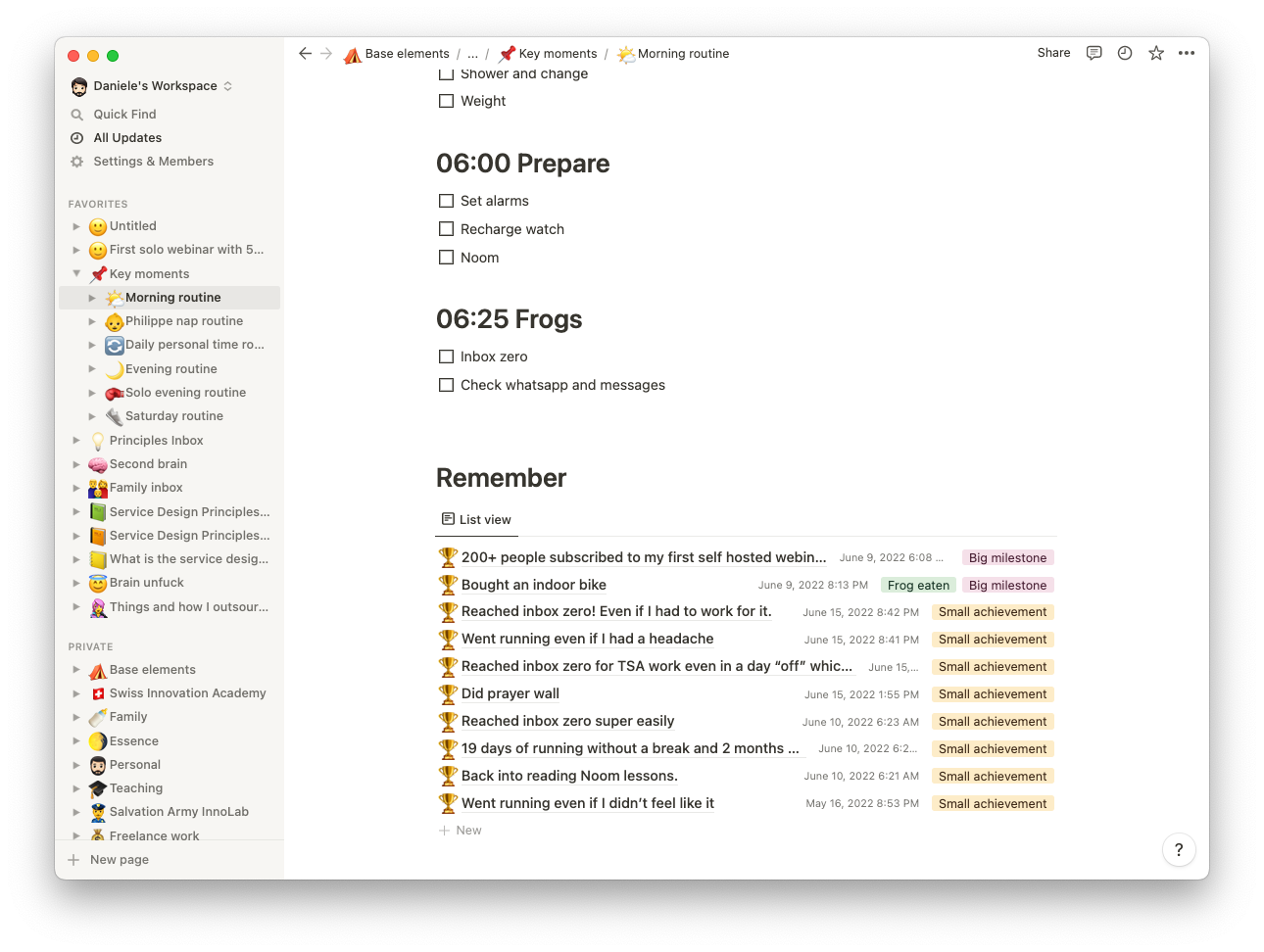
- Key achievements: milestones I've reached, big tasks finished, challenges mastered
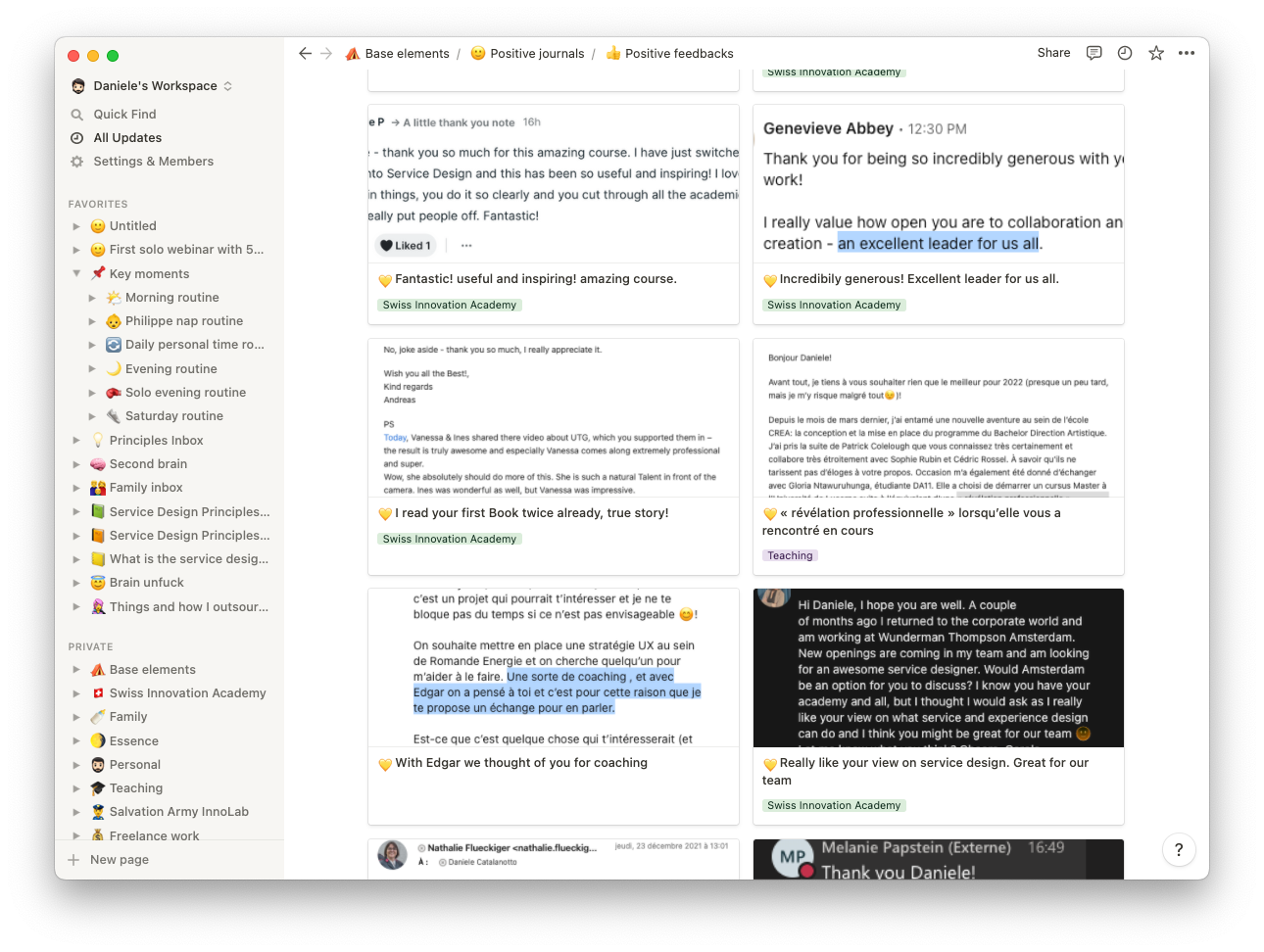
- Positive feedbacks: stories and testimonials of people that say how my work had value for them
I track these things in Notion. I then use it in two ways:
Resurfacing positive things in my daily routine
Every day in my routine pages I see the key achievements from yesterday, a week ago, a month ago and a year ago.
Review positive feedbacks when in a down
When I'm down I go back to the positive feedback page and just read until I realize that I'm on a good path.
More resources
Erika Flowers wrote an interesting summary about the issue we have when we learn new skills and how this can lead to the impostor syndrome.
Related articles
What are the mental health challenges a service designer will be faced with?
In short: learn to deal with negative feedback, give enough time for life and learning, keep track of the good stuff, and don't forget to sleep.
Can a service designer survive a recession?
In short: Yes, if you can also provide a lean and low-hanging fruit approach that is focused on the present. No, if you are "only" focused on long-term strategic work.
What are tips to become a senior service designer?
In short: mentor others, teach others, try out new technics.